What nitric oxide actually does
Nitric oxide is a gas your body produces deliberately, as a signalling molecule. Its central job in the vascular system is vasodilation: it tells the smooth muscle lining your blood vessels to relax, which widens the vessel and lets more blood through at lower pressure.
That discovery — that a gas acts as a signalling molecule in the cardiovascular system — won the 1998 Nobel Prize in Physiology or Medicine, awarded to Robert Furchgott, Louis Ignarro and Ferid Murad. It is the mechanism behind nitroglycerin for angina, and it is the same pathway prescription ED medications work on, though they act further downstream by blocking the enzyme that breaks down the signal.
Where L-Arginine fits
L-Arginine is the amino acid substrate. Your body converts it into nitric oxide via the enzyme nitric oxide synthase (NOS). No arginine, no nitric oxide — it is the raw material at the front of the pathway.
It is classed as semi-essential: healthy adults synthesise some, but demand rises with physical stress, injury and age. Dietary sources include meat, poultry, fish, nuts, seeds and legumes.
The honest complication: first-pass metabolism
Here is the part most supplement pages skip. Oral L-Arginine is substantially broken down by the enzyme arginase in the gut and liver before it reaches circulation. This is why some human trials of oral arginine show weaker effects than the mechanism would predict.
Which is also why L-citrulline gets attention in sports nutrition: citrulline bypasses much of that first-pass breakdown and is converted to arginine in the kidneys, often raising plasma arginine more effectively than arginine itself. If you are comparing two nitric-oxide formulas and one lists citrulline, that is a legitimate point in its favour — and a fair thing for a site like this to say out loud.
| Source | Notes |
|---|---|
| L-Arginine | Direct NO substrate; reduced by first-pass metabolism in gut and liver |
| L-Citrulline | Bypasses much of first-pass breakdown; converts to arginine in the kidneys |
| Dietary nitrate (beetroot, leafy greens) | A separate NO route entirely, via the nitrate-nitrite-NO pathway |
Two safety facts that matter
These are not boilerplate. They are the two things worth knowing before anyone supplements this pathway:
- Never combine nitric-oxide support with nitrate medication without medical clearance. If you take nitroglycerin, isosorbide or any nitrate for a heart condition, stacking additional vasodilation can drop blood pressure dangerously. Talk to your doctor, not a website.
- Erectile difficulty is a vascular symptom before it is a bedroom problem. The penile arteries are narrow, so they show endothelial dysfunction earlier than the coronary arteries do. Persistent ED is frequently the first visible sign of cardiovascular disease or diabetes, sometimes years ahead of other symptoms. That is a reason to get bloods and blood pressure checked — genuinely good news if you catch it early, and a poor thing to paper over with any supplement.
What actually raises nitric oxide most
Worth saying plainly, because no supplement page usually will: the largest levers on your nitric oxide production are not in a bottle. Regular aerobic exercise upregulates NOS activity. Leafy greens and beetroot supply dietary nitrate. Smoking, poor sleep and untreated high blood pressure damage the endothelium that produces NO in the first place. A supplement supports that foundation; it does not substitute for it.
The practical takeaway
If you are evaluating a circulation formula, check which NO source it uses and whether the rest of the label is honest about everything else. L-Arginine is a real ingredient on a real, Nobel-recognised pathway — it is simply one input among several, and the ones that cost nothing matter most.
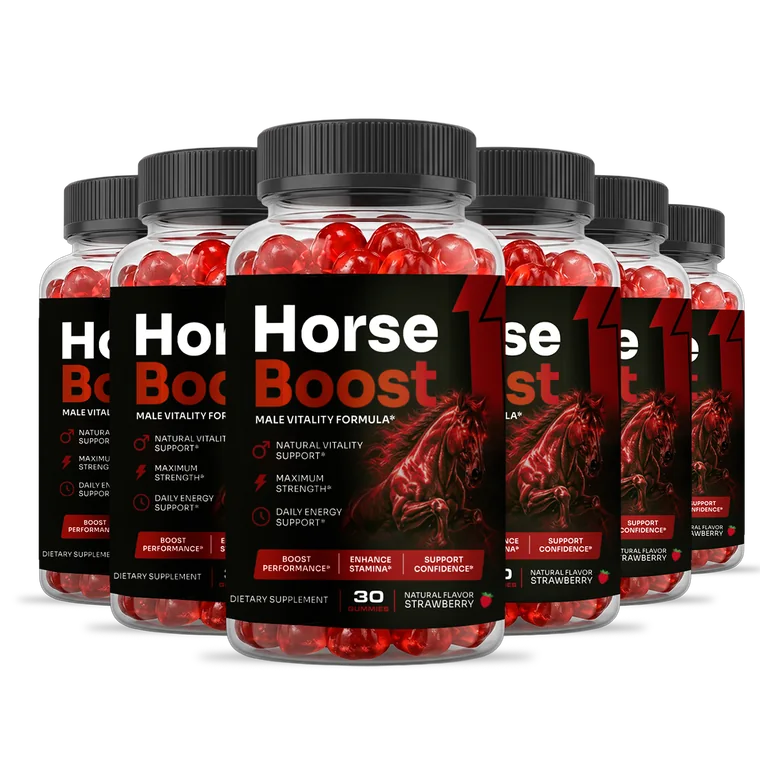
More: how the Horse Boost formula works · the full ingredient list.